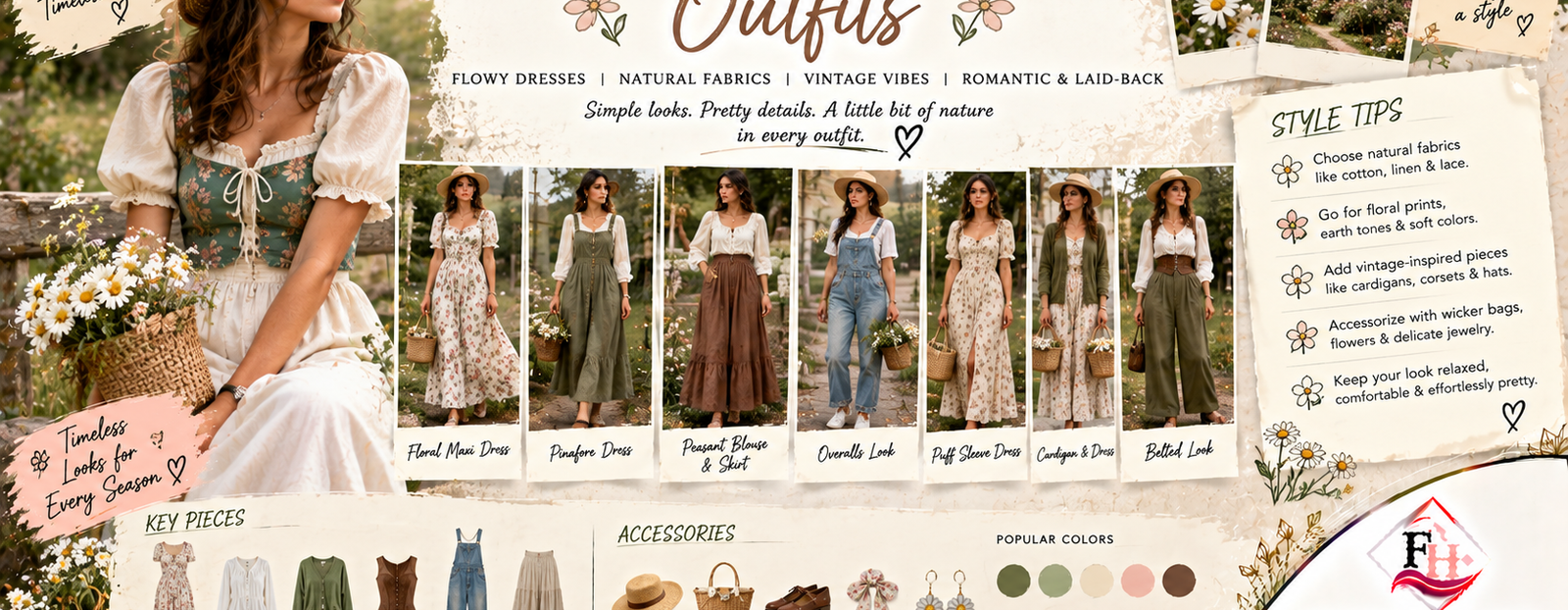
Search for cottagecore outfits and you’ll find hundreds of dreamy floral photos and almost no explanation of why some of them look effortless and others look like a costume party. The difference isn’t the dress. It’s the fabric, the shoes, the palette, and how much else is going on in the outfit. This guide covers what cottagecore Outfits actually is, three rules that keep it wearable, fifteen outfit formulas for every season including work, and the mistakes that make it look dated.
What Cottagecore Actually Is
Cottagecore is a fashion and lifestyle aesthetic inspired by romanticized rural living soft silhouettes, floral and gingham prints, natural fabrics like linen and cotton, and handmade textures. It gained mainstream momentum in the early 2020s, and it has since split into several moods, from the classic prairie-and-wildflower look to a moodier, more academic one.
The current version leans toward what some retailers call “grown-up cottagecore”: keeping the romantic details, such as florals, eyelet, and puff sleeves, while updating the proportions so the outfit works in a city, not just a meadow.
The Costume Test Three Rules That Keep It Wearable
- Choose natural or natural-feeling fabrics. Rumpled linen, raw-hem cotton, soft corduroy, gauzy cheesecloth, and wool knits give the look its lived-in texture. One cottagecore retailer’s mistakes list makes the point bluntly: a tiered maxi skirt in polyester chiffon looks cheap however good the print is.
- Limit the statement pieces. Cottagecore outfits work through restraint. One or two romantic pieces, such as a puff-sleeve blouse or a ruffled hem, and everything else quiet.
- Ground it with the right shoes. Chunky platform sneakers, strappy heeled sandals, and highly polished formal shoes tend to pull the outfit toward other aesthetics. Ankle boots, simple flats, lace-up boots, and clean low sneakers are safer.
The Cottagecore Palette Right Now
The softer pastels of early cottagecore Outfits have been joined by earthier tones, sometimes called mushroom core mushroom browns, lichen greens, foggy grays, sage, dusty rose, cream, oat, terracotta, and faded navy. Moody, darker florals have become a prominent direction, in contrast to bright primary-colored gingham, which some trend writers say now reads as the trend’s more juvenile phase. If you like gingham, choose muted versions rather than bold primaries.
The Core Cottagecore Pieces
- Puff-sleeve blouses in cotton or chiffon, widely considered the most iconic cottagecore item
- Prairie and milkmaid dresses in midi or maxi lengths with tiered skirts or smocked bodices
- Pinafore or apron dresses in linen, worn over a blouse
- Midi and maxi skirts, especially floral, ivory tiered, or solid A-line
- Lace and eyelet tops and dresses in white and ivory
- Cardigans and hand-knit textures, including chunky Arana and cable-knit styles
- Woven basket bags and straw hats as the signature accessories
15 Cottagecore Outfit Formulas
Everyday
- Floral blouse and dark-wash wide-leg jeans. A floral top tucked into dark, wide-leg denim balances feminine and modern without feeling either precious or too casual.
- Puff-sleeve blouse and midi skirt. The quintessential two-piece. Keep the skirt solid or softly printed so only one piece carries the romance.
- Lace top and high-waisted straight jeans. An approachable everyday version that doesn’t require a skirt or dress.
- Linen pinafore over a puff-sleeve blouse. A pinafore in oat, terracotta, or faded navy layers into something that reads as part vintage schoolhouse, part modern minimalist.
- Flutter-sleeve floral top and straight cropped jeans. Finished with clean sneakers, this is the easiest way to make a floral top feel current.
Summer
- Prairie dress and brown leather ankle boots. The ultra-feminine dress against rugged boots is a classic contrast. Look for a ditsy floral in dusty rose or sage.
- White eyelet blouse and solid A-line midi skirt. A scalloped collar and three-quarter puff sleeves give a polished take for lunches and garden events.
- Linen overalls and a simple tee. A relaxed, practical option in natural beige or olive.
- All-white eyelet dress. The garden-party statement; keep accessories minimal.
- A strawberry- or cherry-print sundress. The “picnic” side of the trend, best with a woven bag and flat sandals.
Fall and Winter
- Floral midi dress under a lightweight quilted jacket. An olive quilted jacket adds structure without bulk, and Chelsea boots finish it. A wool felt cloche adds vintage character.
- Chunky cardigan and long floral skirt. Hand-embroidered details like tiny cherries or wildflowers are a current trend in cardigans, and ankle boots keep it grounded.
- Tweed waistcoat over a poet shirt. The academic side of cottagecore Outfits a fitted herringbone waistcoat over a billowing white shirt with a soft neck tie.
- Cream ribbed knit set. A matching long-sleeve top and midi column skirt makes a sleek foundation layer for colder days.
Work
- Puff-sleeve blouse, tailored trousers, and a light linen blazer. A “pastoral office” look keeps the romantic detail at the neckline or sleeve and lets the tailoring do the rest.
Four Cottagecore Moods to Choose From
- Classic soft: Prairie dresses, florals, and gingham in pastel and earthy tones.
- Academic: Tweed, waistcoats, poet shirts, and tailored wool.
- Modern minimal: Streamlined cuts, subtle puff sleeves, and a single lace-trimmed collar on a cream linen dress, in the quiet-luxury spirit.
- Coastal: Lighter linen dresses with relaxed silhouettes, beach waves, and simple sandals.
Accessories That Finish the Look
Cottagecore accessories lean handmade and understated. A few worth considering:
- Hair: Braids, ribbons, and simple clips add the soft, undone detail. Our look at current hair accessory trends covers bows, lace, and crochet pieces that suit this mood.
- Scarves: A small silk or cotton scarf tied at the neck or in the hair adds vintage charm; see our walkthrough of silk scarf styling for the easiest ties.
- Jewelry: Delicate, layered pieces over heavy statement jewelry. A few ideas for layering are covered in our necklace styling breakdown.
- Bags: Woven baskets, bucket shapes, and soft totes. Our overview of handbag silhouettes helps you pick one that fits the outfit.
How to Build a Cottagecore Outfits Wardrobe Without Overspending
- Read the fabric label first. Prioritize cotton, linen, wool, and blends over thin synthetics, since fabric does most of the work in this aesthetic.
- Shop secondhand. Vintage and thrifted linen, cotton, and knitwear often have the lived-in character the look wants, and sustainability is a recurring theme in the aesthetic.
- Buy for the long term. The current direction favors pieces that last for years rather than a single season of novelty items.
- Start with three versatile pieces: a puff-sleeve blouse, a midi skirt, and a cardigan. Everything else can follow.
Common Cottagecore Mistakes
- Wearing it head to toe. Too many romantic details at once turns an outfit into a costume.
- Choosing cheap synthetics with romantic silhouettes, which tend to look flat and stiff.
- Wrong shoes, as described above.
- Overly bright primary gingham. Softer, muted versions feel more current.
- Ignoring fit. Relaxed doesn’t mean shapeless; a defined waist, an empire line, or a nipped sleeve keeps the silhouette intentional.
Cottagecore for Special Occasions
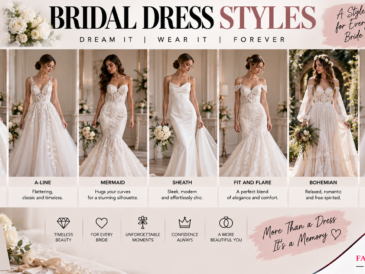
The aesthetic carries naturally into weddings and garden parties, especially for guests who want something softer than a formal gown. For ideas on vintage-inspired and romantic silhouettes in a wedding setting, our guide to bridal dress styles is a useful reference, particularly for lace, eyelet, and soft-sleeve details.
Final Thoughts
Cottagecore Outfits works best when it’s treated as a way of dressing rather than a costume. Choose natural fabrics, let one romantic piece lead, ground it with the right shoes, and lean into earthy colors and moody florals. Whether you’re wearing a floral blouse with wide-leg jeans to the office or an eyelet dress to a garden party, the goal is an outfit that looks lived-in and loved, not staged.
FAQ
What are the key pieces of a cottagecore wardrobe?
Puff-sleeve blouses, prairie or milkmaid dresses, pinafores, midi skirts, lace or eyelet tops, cardigans, and a woven basket bag are the core pieces most commonly cited.
How do I wear cottagecore Outfits without looking like a costume?
Use natural fabrics, keep to one or two romantic pieces, choose grounded shoes like ankle boots or simple flats, and avoid wearing every cottagecore Outfits element at once.
What colors are popular in cottagecore Outfits right now?
Earthy tones such as mushroom brown, lichen green, foggy gray, sage, and terracotta, alongside dusty rose, cream, and moody florals. Bright primary gingham is increasingly seen as dated.
Can I wear cottagecore to work?
Yes. A puff-sleeve blouse with tailored trousers and a light linen blazer keeps the romantic detail in one place while the tailoring keeps the outfit professional.