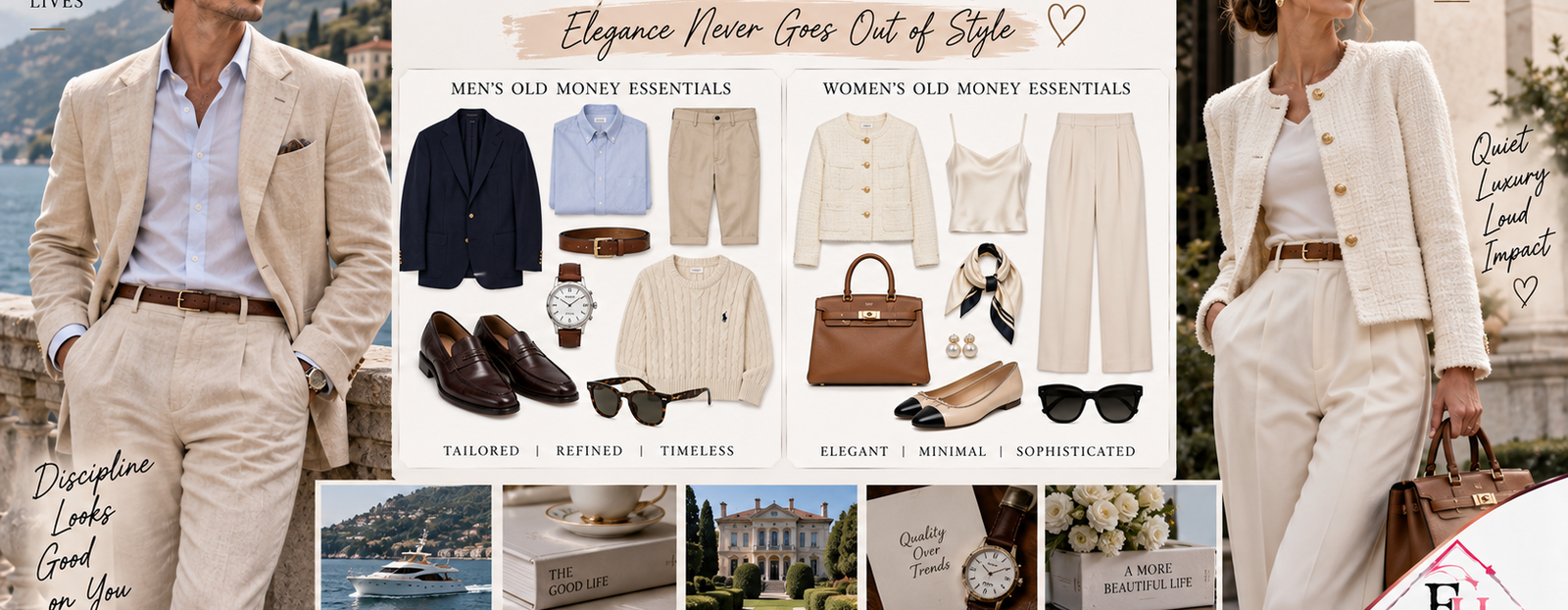
Old money fashion has moved from a niche Pinterest aesthetic into one of the biggest, most enduring style movements of the decade, and interest keeps accelerating. If you’re trying to understand what old money style actually means, how to build the look for yourself, and why it’s resonating with so many people right now, here’s everything you need to know.
What Is Old Money Fashion, Really?
Old money style is a lifestyle aesthetic as much as a clothing category, exuding understated elegance, timeless grace, and a deep-rooted appreciation for tradition. It’s historically associated with elite American families, Ivy League universities, and country club culture, drawing its core visual language from a world of inherited wealth rather than newly acquired status. Unlike influencer-driven microtrends, old money style revolves around subtle signals of quality clean tailoring, natural fabrics, and muted color palettes that speak to permanence rather than a passing season.
At its core, the philosophy is simple: the garment’s quality matters infinitely more than who made it or how much you paid for it. A well-made blazer from an unknown tailor, cut properly and made from quality wool, reads as more genuinely refined than a heavily logoed piece from a recognizable luxury house. That’s the entire premise of the aesthetic in a single idea restraint over branding, and craftsmanship over conspicuous consumption.
Why Old Money Fashion Has Exploded in Popularity
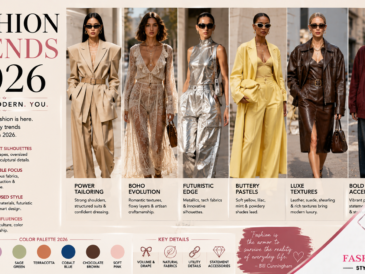
The numbers behind this trend are genuinely striking. Search interest in terms like “old money style,” “stealth wealth,” and “quiet luxury” has surged by more than 568 percent over the past year, a shift fashion experts link to a broader cultural pivot away from years of fast fashion and logo-heavy branding, toward clothing that feels refined, durable, and understated instead.
That shift also connects to a wider fatigue with loud luxury. The old money aesthetic became popular at a moment when many people had grown tired of wearing an abundance of visible logos, gravitating instead toward pieces whose quality is reflected in their materials and precision of craftsmanship rather than in branding alone. In many ways, the trend functions as a form of quiet rebellion against a decade of maximalist, logo-forward fashion.
The Core Principles of Old Money Style
A few consistent rules define the aesthetic across both men’s and women’s fashion:
- Quality over quantity. A smaller wardrobe of genuinely well-made pieces always outperforms a larger collection of trend-driven, disposable items.
- Understated luxury over visible branding. Flashy logos and overt branding work directly against the philosophy the goal is to look wealthy without announcing it.
- Natural fibers and quality fabrics. Cheap synthetic fabrics undermine the entire look, no matter how well a garment is cut. Invest in natural fibers and well-made garments instead.
- Fit and tailoring above all else. Ill-fitting clothing, however expensive, immediately breaks the aesthetic. Bespoke or well-tailored fit is essential to the entire look.
- Restraint with accessories. Choose a few high-quality pieces instead of many flashy items less is genuinely more within this aesthetic.
- Timeless over trendy. Ultra-trendy fashion pieces clash directly with the timeless nature of the style, which is meant to transcend individual seasons entirely.
Building an Old Money Wardrobe Women’s Essentials
For women, old money style leans into a specific set of recurring pieces and colors:
- Neutral color palette: Cream, beige, navy, olive, and soft pastels dominate, avoiding anything overly bright or attention-grabbing.
- Classic silhouettes: High-waisted trousers, midi skirts, structured blazers, and crisp button-down blouses form the backbone of the look.
- Quality fabrics: Linen, cotton, silk, and fine wool are prioritized specifically for their breathability and long-term durability.
- Preppy staples: Tennis skirts, polo shirts, and sweaters tied around the shoulders the kind of pieces you’d expect to see in a classic Ralph Lauren catalog remain central to the overall look.
- Timeless accessories: Genuine leather loafers and simple, well-made jewelry finish the look without overwhelming it.
Building an Old Money Wardrobe: Men’s Essentials
Men’s old money style follows a parallel set of principles, built around structure and restraint:
- Bespoke or well-tailored suits: The suit functions as a genuine declaration of elegance rather than just formal necessity, with classic colors like navy, charcoal gray, and rich brown forming the foundation.
- Subtle patterns: Pinstripes and checks add depth to an outfit without overpowering the overall understated aesthetic.
- Neutral, muted tones: Beige, navy, white, and charcoal dominate the men’s old money color palette, avoiding loud prints entirely.
- Quality footwear: Leather loafers and Oxford shoes remain essential, and they need to be kept clean and in good condition worn-out shoes can undermine an otherwise perfect outfit.
- Seasonal adaptability: For warmer months, a crisp linen shirt paired with tailored chinos captures the relaxed elegance associated with coastal American wealth, from the Hamptons to Nantucket, while heavier wool and cashmere pieces carry the aesthetic through colder seasons.
The Style Icons Behind the Aesthetic
Old money style draws heavily from a specific set of cultural reference points. Style icons like Jackie Kennedy and Princess Diana continue to define the look’s visual DNA, alongside travel destinations associated with old-money leisure, like the Hamptons and Lake Como, and heritage brands such as Ralph Lauren and Hermès. Princess Diana in particular remains a beacon for modern audiences aspiring to the aesthetic, with her combination of tailored blazers, crisp shirting, and understated jewelry frequently cited as a direct template for the current trend.
Old Money Style vs. Quiet Luxury Are They the Same Thing?
The two terms are frequently used interchangeably, and for good reason old money style has effectively evolved into the broader “quiet luxury” movement, with both terms centered on garment integrity, heritage tailoring, and timeless quality that moves far beyond fleeting fashion trends. The core difference is largely a matter of framing: “old money” leans more explicitly into the cultural, inherited-wealth aesthetic and its specific reference points, while “quiet luxury” is often used as the more general umbrella term for understated, logo-free dressing across a broader range of price points.
Common Mistakes That Break the Old Money Look
A few missteps consistently undermine an otherwise well-intentioned old money outfit:
- Over-accessorizing. Piling on multiple statement pieces works directly against the aesthetic’s core “less is more” philosophy.
- Choosing overly trendy pieces. Fast-fashion trend items, even in neutral colors, tend to clash with the timeless nature the aesthetic is built around.
- Ignoring fabric quality. Cheap, synthetic fabrics undermine the sophistication of an outfit no matter how well it’s styled.
- Neglecting fit. Ill-fitting clothing is one of the fastest ways to break the illusion, regardless of how expensive or well-chosen the individual pieces are.
- Following fast trends instead of focusing on timeless staples. The entire point of the aesthetic is longevity chasing seasonal microtrends undercuts that foundation entirely.
How to Start Building an Old Money Wardrobe on a Budget
You don’t need genuine inherited wealth or a designer budget to build this look effectively. A few practical starting points:
- Invest gradually in a few key pieces rather than trying to overhaul your entire wardrobe at once a well-tailored blazer or a quality wool coat will do more work than a dozen trend pieces.
- Prioritize fit over brand name. A properly tailored, budget-friendly blazer will always outperform an expensive but ill-fitting piece.
- Shop secondhand and vintage. Resale and consignment platforms are excellent sources for genuine natural-fiber pieces at a fraction of retail price, and many old money staples trench coats, wool blazers, silk scarves hold up exceptionally well secondhand.
- Build a neutral color foundation first, then add pieces gradually rather than buying everything in one trip.
Accessorizing the Old Money Aesthetic
Accessories play a genuinely important supporting role in this style, provided they stay understated. A classic silk head scarf, in the tradition of icons like Jackie Kennedy, remains one of the most instantly recognizable finishing touches within the aesthetic our full breakdown of head scarf styles for women covers exactly this kind of vintage-inspired accessory in detail. A structured, minimal handbag also does significant work within this look, and our overview of the different types of handbags can help identify which silhouettes best fit the old money aesthetic’s preference for clean, unbranded structure.
For jewelry, restraint is everything a single well-chosen piece, similar to the styling philosophy covered in our Kendra Scott necklace guide, fits the aesthetic’s “less is more” approach far better than layered, maximalist pieces. And for footwear or bags with a more polished, structured silhouette, our breakdown of the Coach shoulder bag lineup offers accessible options that lean into the same understated, quality-first philosophy driving the entire trend.
Final Thoughts
Old money fashion has grown from a niche aesthetic into one of the defining style movements of the decade, driven by genuine fatigue with logo-heavy fast fashion and a renewed appreciation for craftsmanship, natural fabrics, and timeless tailoring. Whether you’re drawn to the preppy, tennis-skirt-and-loafer version of the look or the more tailored, suit-forward interpretation, the underlying philosophy stays consistent: quality speaks for itself, and true style doesn’t need to shout.
FAQ
What defines old money fashion?
Old money fashion is defined by understated luxury, quality natural fabrics, well-tailored fit, neutral color palettes, and a deliberate avoidance of visible logos or trend-driven pieces.
Is old money style the same as quiet luxury?
The two terms are closely related and often used interchangeably, though “old money” leans more specifically into inherited-wealth cultural references, while “quiet luxury” is the broader umbrella term for understated, logo-free dressing.
Can you achieve old money style on a budget?
Yes prioritizing fit and fabric quality over brand name, shopping secondhand for natural-fiber pieces, and building a neutral wardrobe foundation gradually are all effective ways to build the look without a large budget.
Who are the biggest style icons associated with old money fashion?
Jackie Kennedy and Princess Diana are the most frequently cited style icons behind the aesthetic, known for their tailored, understated approach to dressing that continues to influence the trend today.