A retro track jackets shouldn’t work outside of a stadium tunnel, and yet right now it’s showing up over silk skirts, under tailored blazers, and alongside loafers on streets where nobody’s headed to a workout. That tension between sporty and sophisticated is exactly why the piece has outlasted the usual trend cycle. The honest question most people actually have isn’t “are they in style,” it’s “how do I wear this without looking like I just left the gym.” This article answers that directly what makes a track jacket genuinely retro rather than just athletic, how to find a real vintage one, and the specific styling moves that separate a deliberate look from an accidental one.
What Makes a Track Jacket “Retro” Instead of Just Athletic
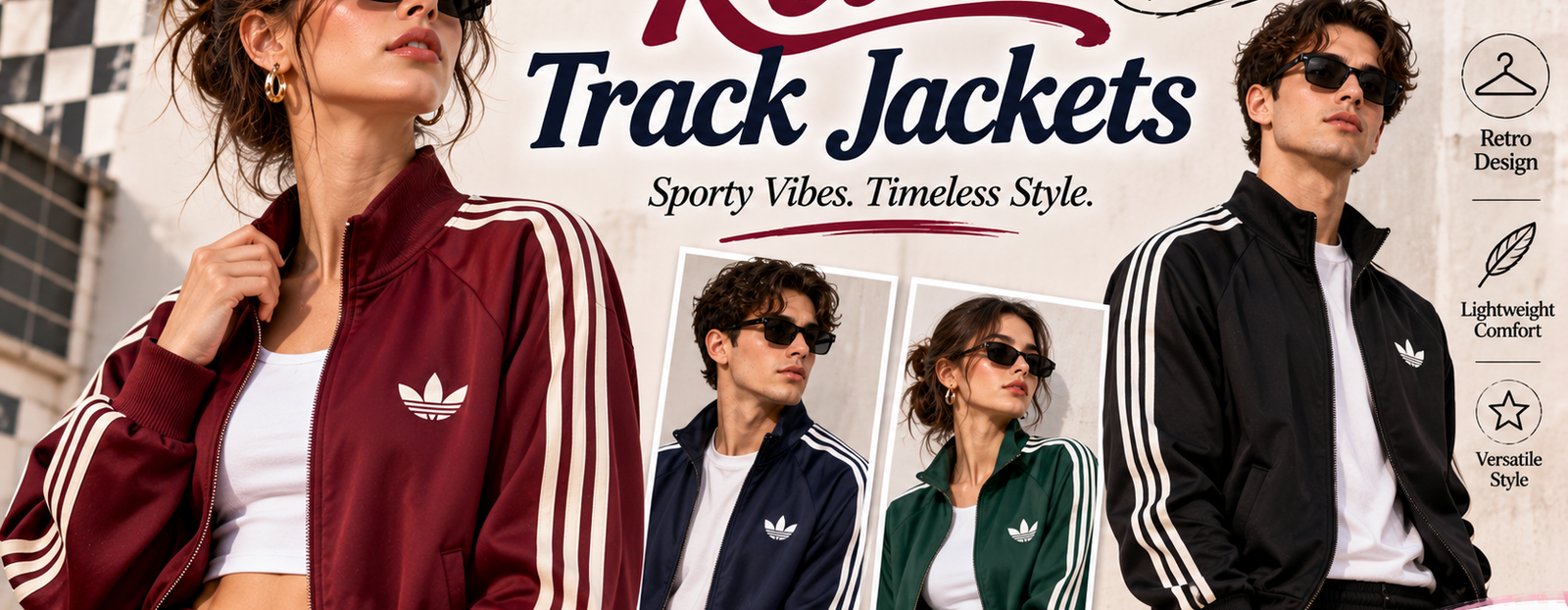
Not every zip-up jacket earns the retro label. A true retro track jackets has a specific set of features: a stand collar rather than a hood, a full front zip, contrast tape or piping running down the sleeves, and often color blocking or a brand’s classic stripe detailing. These design cues trace back to ’70s and ’80s warm-up gear, which is why the silhouette reads as throwback even on a brand-new jacket.
| Detail | Information |
|---|---|
| Topic | Retro track jackets |
| Best for | Casual, smart-casual, and layered outfits |
| Popular styles | Stand-collar, full-zip, color-blocked, striped, vintage Adidas/Fila-style |
| Price range | Budget-friendly reproductions to collectible vintage |
| Key styling move | Pair with tailored trousers or loafers instead of joggers and sneakers |
| Best fabrics | Acetate or polyester blends (vintage); technical or matte fabrics (new) |
| Best seasons | Fall and spring; works as a mid-layer in winter |
| Key buying tip | Check logo style, country-of-origin tag, and fabric composition for true vintage pieces |
Let me know if you’d like me to add this table directly into the retro-track-jackets.md file.The cut matters too. Retro versions tend to sit closer to the body than the boxy, oversized track jackets of the early 2000s, with a slightly cropped length and cinched cuffs and waistband that give the whole piece real shape. That fitted, tailored-feeling silhouette is a big part of why the style has moved so easily from gym bags into everyday wardrobes, and it’s the detail to look for if you want a jacket that reads as considered rather than like leftover athletic wear.
Why Retro Track Jackets Are Everywhere Right Now
The current wave isn’t really about sportswear at all, it’s about contrast. Designers have leaned into what one menswear editor described as the tension between athletic pieces and more sophisticated dressing, taking the codes of a retro track jackets and giving them a far more polished finish. That’s a different idea than simply making gym clothes look nicer. It’s using an unmistakably sporty garment specifically because it clashes, in a good way, with something formal.
On the street, the retro track jackets have also come loose from its matching tracksuit set. Where it used to be worn as one half of a coordinated two-piece, it’s now just as common as a standalone layer thrown over jeans, a dress, or even under a coat. That flexibility is a major reason the piece has stuck around this long instead of fading after one season. A jacket that works equally well zipped up as the main statement or open as a light layer gives you far more mileage than something built for one single outfit formula.
New Retro-Style Jackets vs. Genuine Vintage: Which Should You Buy?
This is where most guides stay vague, so it’s worth being direct about the actual tradeoffs.
New retro-inspired jackets replicate the look, stand collar, taping, color blocking, using current fabrics and modern sizing. They’re easier to find in your exact size, typically come with a warranty or return policy, and let you choose from current color combinations without any guesswork about condition.
Genuine vintage track jackets, often sourced secondhand from brands with decades of archive material, offer something new pieces can’t fully replicate: colorways that don’t exist in any current catalog. Think unusual combinations, teal and gold, burgundy and cream, that look like they came from an era before every color story got run through a trend-forecasting algorithm. Vintage pieces also carry real wear-in character that a new jacket takes years to develop.
If you go the vintage route, a few details actually matter when judging authenticity and condition. Check the brand’s older logo versions against their current ones, since logo style alone can place a jacket within a specific era. Look at the country-of-origin tag, which can hint at approximately when the jacket was made. Check the fabric composition tag for acetate or older polyester blends rather than modern performance fabric, and inspect the zipper function and overall fading or pilling closely before buying, since these pieces are rarely returnable once purchased secondhand.
How to Style a Retro Track Jackets With Jeans
Denim is the single easiest pairing, and it works in more than one direction depending on the mood you want.
The classic, high-percentage-success formula is simple: a fitted tee underneath, straight-leg or baggy jeans, and clean sneakers. This works because the jacket already carries visual interest through color and stripe detail, so the rest of the outfit can stay quiet. If you’re working with a bootcut rather than straight-leg silhouette, this breakdown of bootcut jeans covers how the current, subtler flare pairs with exactly this kind of relaxed, retro-leaning top half.
For a more “I’ve been doing this for years” effect rather than a trend-chasing one, try wearing the jacket open over a plain or vintage-style tee with slightly worn-in jeans, letting the tee peek through the unzipped front. That layered, undone styling reads as lived-in rather than costume-y, which is the entire difference between nailing this trend and missing it.
How to Elevate a Track Jacket for Smart-Casual Looks
This is the move that actually separates current styling from the sportswear era this piece originally came from.
Pair the jacket with tailored trousers instead of joggers or sweats. The combination of an athletic top half and a sharply cut bottom half creates exactly the contrast that makes this trend feel current. Swap sneakers for loafers or a sleek Derby shoe, since footwear is doing a lot of the work here: sneakers push the whole look back toward the gym, while a polished shoe signals the sportiness is intentional rather than accidental.
Monochrome dressing takes this even further. Choosing the jacket and trousers in a single tonal color, a rich burgundy or deep chocolate rather than contrasting colors, is one of the simplest ways to look deliberately put-together without much extra thought, and tonal dressing in general has been having a strong moment well beyond just this one piece.
Can You Wear a Retro Track Jacket With a Dress or Skirt?
Yes, and it’s one of the more unexpected pairings worth trying. Draping a track jacket loosely over a fitted midi dress or a soft, feminine skirt creates the same sporty-meets-polished contrast that’s driving this entire trend, just applied to womenswear rather than denim. Choose a jacket that’s slightly oversized relative to the dress underneath so it reads as an intentional layer rather than something borrowed from a gym bag, and let the dress or skirt’s silhouette stay visible rather than fully covering it.
Styling a Retro Track Jacket for Layering
During transitional weather, a track jacket works just as well as a mid-layer as it does a standalone piece. Worn over a hoodie or a chunky sweater, it adds warmth without looking bulky, and the contrast between a structured jacket and a soft knit underneath adds texture to an otherwise simple outfit. On colder days, it can also go underneath a longer coat, with just the collar and a bit of color peeking out, which is a subtle way to work the trend into outfits that otherwise look nothing like sportswear.
Choosing the Right Color and Pattern
Color does a lot of the heavy lifting in making a track jacket read as genuinely retro rather than generic athletic wear. Bold, saturated combinations, red and blue, green and yellow, bring the strongest throwback feeling, echoing the energetic color-blocking the style originally built its identity on. For a quieter, more wearable version of the same trend, neutral tones like black, white, and navy still carry the retro silhouette and detailing without the high-contrast intensity, which makes them easier to work into an existing wardrobe.
Accessories That Complete the Retro Look
A few finishing touches reinforce the throwback feeling without requiring you to dress head-to-toe in vintage sportswear. Round sunglasses and a bucket hat both lean into the same era the jacket is referencing, and old-school sneakers, rather than the newest technical release, keep the whole outfit visually consistent. The goal is cohesion: one standout retro piece surrounded by simple basics reads as intentional, while too many competing throwback references at once can tip into costume territory.
Common Styling Mistakes to Avoid
A few missteps show up again and again with this trend. Pairing the jacket with its matching tracksuit bottoms and sneakers for anything other than an actual workout tends to read as purely athletic rather than fashion-forward, since the whole appeal of the current trend comes from breaking up the sporty signal rather than leaning fully into it. Going oversized everywhere, baggy jacket, baggy jeans, bulky sneakers, can bury the jacket’s shape entirely, so it’s worth balancing at least one fitted element elsewhere in the outfit. And skipping footwear consideration entirely is an easy miss: the shoes you choose are often what decides whether the whole look reads as elevated or simply like gym clothes you forgot to change out of.
Building a Wardrobe Around This Trend
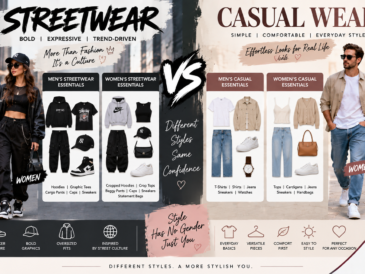
A single well-chosen track jacket can anchor several different outfits rather than just one look, which makes it a smarter buy than most microtrend pieces. If you’re deciding how far to lean into this kind of sporty-meets-polished styling across your whole closet, this comparison of streetwear versus casual wear is worth a read, since the retro track jackets sits right at the overlap between those two categories. And if you’re still working out which current trends are genuinely worth investing in for your own wardrobe, this guide on finding your personal style offers a practical framework for making that call before you buy.
Final Thoughts
A retro track jackets earns its place in a wardrobe by doing something few pieces manage: looking just as at home over tailored trousers and loafers as it does with straight-leg jeans and sneakers. The style details that matter most are the stand collar, the full zip, the contrast taping, and a fitted rather than boxy cut, whether you’re buying a new reproduction or hunting for a genuine vintage piece with a colorway you won’t find anywhere else. Pair it with something distinctly un-sporty, choose your footwear with intention, and let the jacket’s color and stripe detailing do most of the visual work. Get those basics right, and this one piece can carry you from a casual denim day to a surprisingly polished smart-casual outfit without ever looking like you’re headed to the gym.
Frequently Asked Questions
What makes a track jacket “retro” rather than just athletic?
A retro track jackets typically features a stand collar instead of a hood, a full front zip, contrast tape or piping on the sleeves, and bold color blocking or stripe detailing, with a fitted, slightly cropped cut rather than the boxy shape of generic gym wear.
Are retro track jackets still in style?
Yes. The track jacket has moved from being half of a matching tracksuit set to a standalone layer worn over jeans, dresses, and even under coats, which has helped it stay relevant well beyond a single trend cycle.
How do you wear a track jacket without looking like you’re going to the gym?
Pair it with distinctly un-sporty pieces like tailored trousers, a leather skirt, or a polished shoe instead of sneakers and joggers. The contrast between the athletic jacket and a more formal bottom half or shoe is what signals the look is intentional.
Can you wear a retro track jackets to work?
It’s possible with the right styling. Pair it over tailored trousers in a single tonal color, choose a matte rather than shiny fabric, and finish with polished shoes and simple, minimal jewelry to keep the overall look office-appropriate.
Should a retro track jacket be fitted or oversized?
A slightly fitted, cropped cut with cinched cuffs and waistband is generally considered more flattering and more in line with the retro silhouette, though a deliberately oversized fit can also work well when layered over a dress or a hoodie, as long as the rest of the outfit stays fitted to balance it out.
How can I tell if a vintage track jacket is actually old versus a modern reproduction?
Check the brand’s logo style against its historical versions, look at the country-of-origin tag, inspect the fabric composition for older materials like acetate rather than modern performance fabric, and examine the zipper function and overall condition for genuine signs of age.