Gel nail polish has become the default choice for anyone who wants a manicure that actually survives real life dishes, workouts, typing, everything a regular polish tends to chip through within days. If you’re trying to understand exactly how gel polish differs from traditional lacquer, which type suits your nails and lifestyle, the colors trending right now, and how to apply or remove it properly, this guide covers everything.
What Makes Gel Nail Polish Different
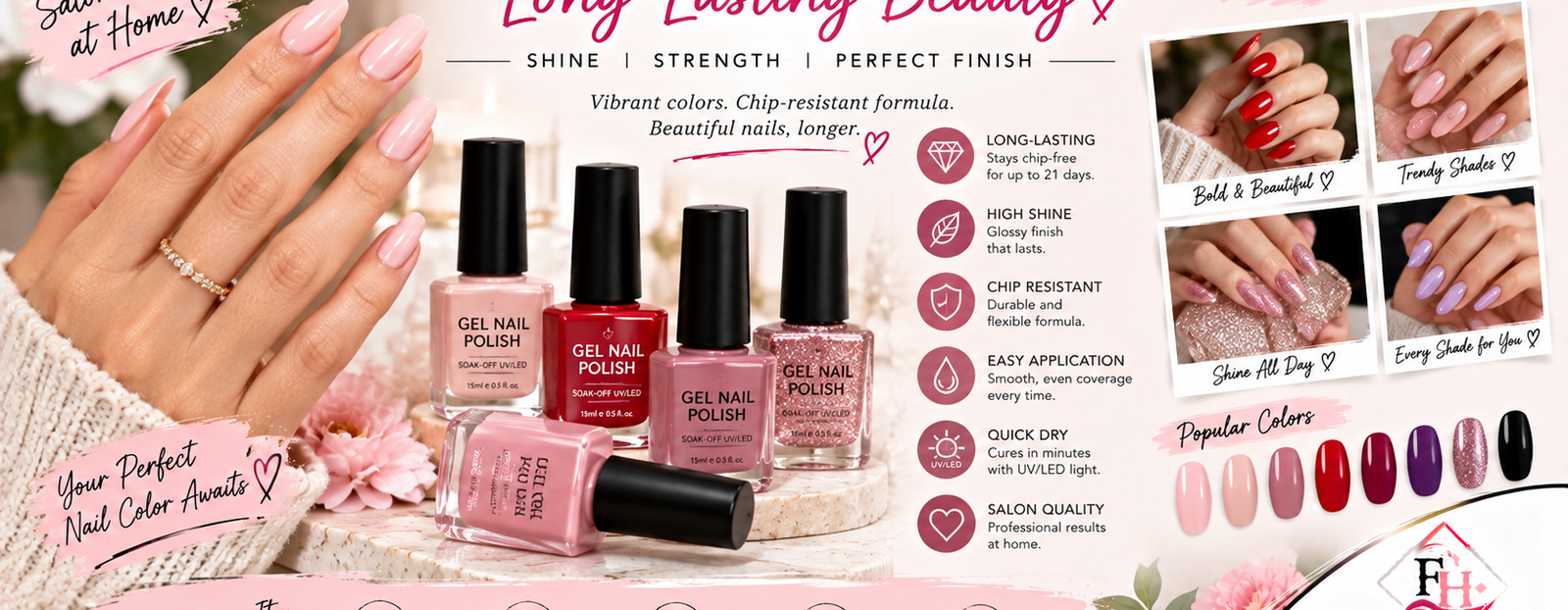
Unlike standard nail polish, which air-dries on its own, gel nail polish cures under a UV or LED lamp, locking in color and shine through a chemical process that hardens the formula into a smooth, glossy finish. That curing process is the entire reason gel polish outperforms traditional lacquer so dramatically on durability instead of relying on solvent evaporation to dry, the lamp triggers a reaction that bonds the polish into a genuinely hard, resilient shell rather than a soft, easily scratched surface.
The Main Types of Gel Nail Polish
Gel manicures aren’t a single uniform product there are several distinct formulas, each with its own wear time, application process, and ideal use case.
Traditional Gel Polish
The standard gel format most people picture, typically lasting 14 to 21 days per application and requiring an LED or UV lamp to cure. It delivers a true salon-quality glossy finish and remains the most widely available and requested gel option.
HEMA-Free Gel
Formulated without HEMA (2-hydroxyethyl methacrylate), a common gel ingredient linked to allergic reactions in some users, HEMA-free gel formulas typically last slightly longer than standard gel, in the 18-to-21-day range, while significantly reducing allergy risk for sensitive users. This formula category has grown considerably as more people report developing sensitivities after repeated gel exposure over time.
Builder Gel (BIAB)
Short for “Builder in a Bottle,” this gel type is applied in a thicker layer than standard polish, adding genuine strength and structure to the natural nail. It typically lasts three to four weeks and has become especially popular among people trying to grow out weak or damaged nails without committing to full acrylic extensions.
Polygel
A hybrid formula combining properties of both gel and acrylic, polygel offers roughly three weeks of wear and is frequently used for nail extensions, giving it more structural strength than a standard gel polish while remaining lighter and more flexible than traditional acrylic.
Dip Powder
Rather than curing under a lamp, dip powder systems build color and durability by dipping the nail into a colored powder, typically lasting three to four weeks without requiring any UV or LED equipment at all a meaningful advantage for anyone who wants gel-level durability without lamp exposure.
Cat Eye Gel
A specialty gel formula containing magnetic particles suspended in the polish. After application, a magnet is held over the wet gel for roughly ten to fifteen seconds before curing, pulling the metallic particles into a dimensional, light-catching pattern that shifts depending on the angle it’s viewed from.
Jelly Gel
A translucent gel formula that allows the natural nail to show through the color, creating a glass-like depth that fully opaque gel polish simply can’t replicate. Light passes through the semi-sheer color and reflects off the natural nail underneath, producing a multidimensional look rather than a flat, single-tone surface.
Chrome and Mirror Gel
Chrome finishes are achieved by rubbing a specialized metallic powder onto a fully cured gel base layer, rather than using a standalone chrome formula. This process can be applied over virtually any cured gel color, giving it more versatility than a fixed chrome-only polish. For at-home use without chrome powder, some gel kits now include built-in metallic or shimmer particles directly in the formula for a similar, though less intensely mirrored, effect.
The Real Benefits of Gel Nail Polish
- Significantly longer wear compared to traditional lacquer, typically two to four weeks depending on the specific gel type
- A true glossy, salon-quality finish that holds its shine for the entire wear period rather than dulling after a few days
- Genuine chip resistance, since the cured gel forms a hard, durable shell rather than a soft surface prone to scratching
- Faster drying overall, since curing under a lamp takes seconds to minutes per layer rather than the extended air-dry time traditional polish requires
- A wide range of specialty finishes, including cat eye, jelly, and chrome effects that aren’t easily achievable with standard lacquer
What’s Trending in Gel Nail Colors Right Now
Nail trends are currently splitting in two clear directions: quiet, understated tones on one side, and high-impact metallic or statement finishes on the other, with plenty of room for both aesthetics depending on personal style.
Chrome, Silver, and Iridescent Finishes
Chrome silver, pearl white, and iridescent finishes are dominating current nail trends, reflecting light beautifully for a futuristic yet elegant look. Fall in particular has leaned into a molten, liquid-silver effect that reads like actual jewelry on the nail rather than typical shimmer.
Pink and Berry Cat Eye Shades
Within the cat eye category specifically, deep berry pink and dusty rose base tones have become the most consistently popular choice, offering a look that’s feminine without reading as overly themed, making it suitable for both casual and professional settings.
Seasonal Color Shifts
Spring leans toward soft botanicals and warm pastels butter yellow, sage green, lavender, and baby pink are among the season’s most searched shades. Summer shifts toward high-saturation tones like cobalt blue, vivid coral, and classic cherry red, which photograph especially well in outdoor light. Fall and winter move into deeper, richer territory, with burgundy, deep plum, forest green, and rich chocolate brown standing out as reliable, longer-trending investments rather than fleeting seasonal colors.
Black Cherry and Deep Wine Tones
A nearly black wine shade has emerged as one of the season’s standout colors, revealing a burgundy undertone rather than looking like a flat, one-dimensional dark red, especially when paired with an ultra-glossy or jelly-style finish.
How to Apply Gel Nail Polish at Home
- Prep the nail thoroughly. Push back cuticles, gently buff the nail surface, and wipe with alcohol to remove oils, since gel adheres poorly to any surface residue.
- Apply a thin base coat and cure. A thin, even layer cures more reliably and evenly than a thick one, which can remain tacky or uneven even after the full cure time.
- Apply color in thin layers, curing between each. Most gel colors require two coats for full opacity; applying too thick a layer in one pass is one of the most common causes of a bubbled or uneven finish.
- Add specialty effects before the top coat, if using them. Cat eye magnets, chrome powder, and similar effects are applied to a cured color layer before the final top coat seals everything in place.
- Finish with a top coat and cure fully. The top coat is what delivers the glossy shine and adds an extra layer of chip resistance, so don’t skip curing it for the full recommended time.
- Wipe away the tacky layer. Most gel top coats leave a slightly sticky residue after curing, which should be wiped away with alcohol to reveal the final glossy finish.
How to Remove Gel Polish Without Damaging Your Nails
Proper removal matters just as much as proper application for long-term nail health. Gently buffing the shiny top layer, then soaking cotton pads saturated with acetone against the nail and wrapping in foil for roughly ten to fifteen minutes, allows the gel to soften enough to gently push off rather than needing to be scraped or peeled. Peeling or picking at gel polish before it’s fully softened is one of the most common causes of thin, damaged, or peeling natural nails, so patience during the removal process matters significantly for long-term nail health.
Choosing the Right Gel Type for Your Needs
- For maximum durability with the least maintenance: Builder gel or polygel offers the longest wear and adds genuine strength to weak nails.
- For sensitive skin or known allergies: HEMA-free gel formulas significantly reduce the risk of reaction compared to standard gel polish.
- For anyone who wants to avoid UV/LED lamp exposure: Dip powder delivers comparable durability without requiring a curing lamp at all.
- For a unique, dimensional finish: Cat eye or jelly gel formulas offer visual depth that standard opaque polish can’t replicate.
- For first-time or occasional gel users: Standard traditional gel polish remains the easiest, most widely available entry point into the category.
Building a Complete Beauty Routine
A fresh gel manicure pairs naturally with the rest of a coordinated beauty routine. If you’re drawn to more traditional lacquer alongside your gel rotation, our full breakdown of Essie nail polish shades and collections covers a strong non-gel alternative for lower-commitment color changes between gel appointments. To complete a full “getting ready” look, a complementary lip color from our long-lasting lipstick guide or our Dior lipstick lineup helps tie your manicure into a cohesive overall color story.
Final Thoughts
Gel nail polish has earned its dominant place in modern manicures by solving the single biggest complaint about traditional lacquer durability. With specialty formats like cat eye, jelly, and chrome expanding what’s visually possible, and HEMA-free and dip powder options addressing common allergy and lamp-exposure concerns, there’s a genuinely well-suited gel type for nearly every nail goal, sensitivity level, and lifestyle. Understanding the differences between formulas rather than assuming all gel polish is the same is the key to choosing a manicure that actually holds up the way you expect it to.
FAQ
How long does gel nail polish actually last?
Most standard gel polish lasts 14 to 21 days, while longer-wear formats like builder gel, polygel, and dip powder can last three to four weeks depending on nail growth and daily wear.
Is gel nail polish bad for your nails?
Gel polish itself isn’t inherently damaging, but improper removal peeling or scraping it off rather than properly soaking it in acetone is the most common cause of thin, weakened, or damaged nails.
What’s the difference between gel and dip powder?
Gel polish requires curing under a UV or LED lamp, while dip powder builds color and durability by dipping the nail into colored powder, offering similar longevity without any lamp exposure.
What gel nail colors are trending right now?
Chrome silver and iridescent finishes, deep berry-pink cat eye shades, and seasonal tones like butter yellow and sage green in spring or burgundy and deep plum in fall are among the most popular current gel nail colors.