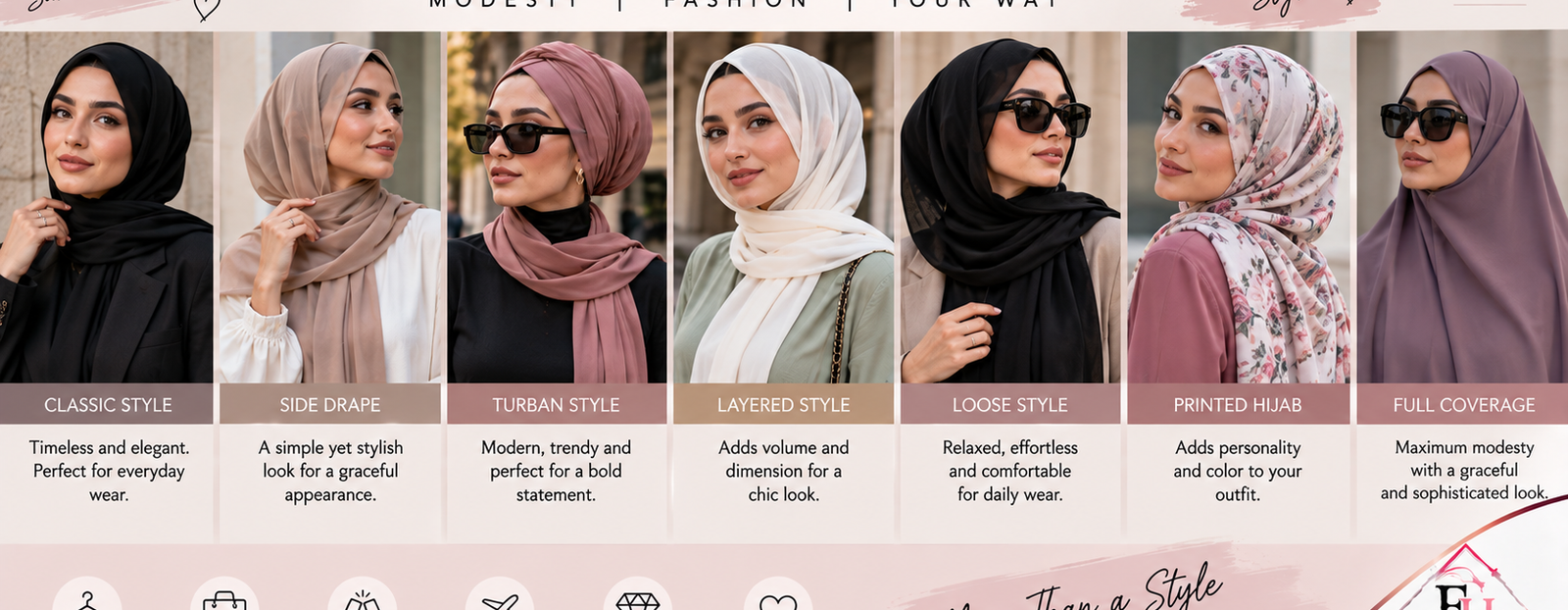
Hijab styling has become more creative, elegant, and versatile than ever, with modern approaches blending tradition with genuine self-expression. Whether you’re new to hijab and looking for an easy everyday wrap, or a longtime hijabi wanting to refresh your styling for the current season, here’s a breakdown of every major style, the fabrics worth knowing, and the trends actually shaping modest fashion right now.
The Most Popular Hijab Styles to Know
Classic Wrap Hijab
The most foundational and widely worn style, the classic wrap involves draping a rectangular or square scarf around the head and securing it with pins or a simple wrap-and-tuck technique. Its versatility is exactly why it remains the go-to starting point for most hijabis, working equally well for daily errands or slightly dressier occasions depending on the fabric and finish you choose.
Turkish Hijab Style
Known for its structured, polished silhouette, the Turkish style typically involves a specific folding technique that creates volume and clean lines around the face. It has a distinctly elegant, put-together look that’s become popular well beyond its regional origins, largely because it photographs beautifully and holds its shape through a full day of wear.
Al-Amira Hijab
A two-piece style consisting of a fitted underscarf cap and a matching tube-shaped overscarf, the Al-Amira is prized for being quick and simple to put on, making it a favorite for sports, school, or any situation where you need a secure, no-fuss style in under a minute.
Instant Hijab
Designed for maximum convenience, instant hijabs come pre-sewn or pre-styled, essentially eliminating the wrapping process entirely. They’re ideal for busy mornings or anyone still building confidence with more traditional wrapping techniques.
Modern Turban Hijab
A more contemporary, fashion-forward take on hijab styling, the turban style wraps fabric closely around the head in a rounded, structured shape reminiscent of a classic turban silhouette. It’s become a favorite among younger hijabis specifically for its bold, minimalist aesthetic.
Square Hijab
Using a traditional square-cut scarf rather than a rectangular one, this style offers a different draping technique and silhouette, often associated with a softer, more traditional finish compared to the more tailored rectangular wraps.
Choosing a Hijab Style for Your Face Shape
Not every wrap style flatters every face shape equally, and a little attention here can make a genuine difference in how a look comes together. Oval face shapes are generally considered the most flexible, able to wear nearly any hijab style beautifully, while other face shapes tend to benefit from specific adjustments fuller, more voluminous styles for narrower faces, or cleaner, closer wraps for rounder face shapes that add length rather than width. If you’re unsure where to start, trying a few different styles in front of a mirror is still the most reliable way to see what genuinely works for your features.
The Biggest Hijab Fabric Trends Right Now
Fabric choice has become just as important as the wrapping technique itself this year, with a clear shift toward lightweight, breathable materials.
- Cotton blends remain a daily-wear staple, offering breathability and a soft, comfortable feel against the skin.
- Modal continues to be prized for how lightweight and breathable it is, making it ideal for layering under outerwear without added bulk.
- Jersey remains one of the most popular everyday fabrics thanks to its natural stretch and grip, which helps it stay in place without constant readjusting.
- Soft chiffon is in high demand for both daily and formal wear, offering a more elevated drape while still allowing good airflow.
- Premium chiffon and silk blends are the go-to choice for formal events, offering a graceful, elegant finish that photographs beautifully for special occasions.
Lightweight fabrics in general are having a major moment specifically because they allow better airflow, reduce sweating, and feel gentle on the skin a meaningful shift for anyone who’s found heavier fabrics uncomfortable during warmer months or long days.
Trending Hijab Colors Right Now
Color has shifted noticeably this year toward a calmer, more sophisticated palette. Earth tones such as sand, olive, mocha, taupe, and soft clay have become staples in everyday hijab wardrobes, prized specifically for being easy to style, seasonless, and well-suited to minimalist modest fashion overall. Soft, natural, and earthy tones more broadly beige, olive green, dusty pink, mocha brown, soft grey, and ivory continue to dominate, offering a clean, calm, and elegant appearance that pairs easily with most outfits.
At the same time, a parallel trend toward serene, chalky whites and creams has emerged as one of the most talked-about color directions of the season, tying directly into the broader “quiet luxury” movement currently shaping fashion more generally the idea of looking polished and elevated through high-quality fabric rather than bold branding or loud color.
For anyone who prefers a bolder look, minimalist abstract patterns brush strokes, waves, and splashes of color have become popular among younger hijabis looking for something that stands out subtly rather than loudly, alongside soft floral patterns for a more traditional statement option.
How Hijab Styling Has Simplified Recently
One of the clearest shifts in hijab fashion right now is a move toward simplicity and neatness. Clean wraps with fewer pins and smoother folds have become increasingly popular, with more women favoring polished styles that look effortless and professional over intricate, heavily pinned techniques. A simple wrap style combined with a matching undercap has become a particularly popular formula for a timeless, sophisticated look, with the general guidance being to avoid over-layering and instead focus on natural, relaxed draping.
That said, safety pins specifically are falling out of favor in a fairly significant way, with many hijabis switching to no-snag magnetic fasteners instead. These magnets are specifically valued for keeping delicate fabrics like chiffon and silk free of pinholes while still providing a secure hold that lasts from morning through evening.
Layering and Seasonal Styling Tips
For Warmer Months
Summer styling leans heavily into cooling techniques and breathable textures, favoring lightweight chiffon hijabs and looser, more relaxed wrap styles that allow more airflow around the neck and face.
For Cooler Months
As temperatures drop, hijab fabrics naturally shift toward warmer materials without sacrificing breathability, with modal blends, georgette, and cotton chiffon becoming especially popular fall choices for their combination of coziness and elegant drape.
Layering With Outerwear
Layering has become more intentional lately, with hijabs increasingly styled to integrate seamlessly with outerwear such as long vests, lightweight coats, and open abayas, rather than being treated as a separate, standalone element. Loose, elongated hijab styles that fall gracefully over the shoulders pair particularly well with the oversized silhouettes, wide-leg trousers, and flowing abayas currently dominating modest fashion.
Essential Hijab Accessories
A few accessories make a real difference in both comfort and finished appearance:
- Undercaps create a smooth, secure base layer beneath your hijab, helping prevent slipping and giving a cleaner overall silhouette.
- No-snag magnets have become the preferred alternative to traditional safety pins, offering a secure hold without risking damage to delicate fabrics.
- Volumizers or scrunchies can be worn underneath certain styles, like the Turkish wrap, to create the structured volume that style is known for.
How to Choose the Right Hijab Style for the Occasion
- For daily wear or errands: A jersey or cotton blend hijab in a simple wrap style offers the most comfort and practicality.
- For work or professional settings: A clean wrap style with an undercap and minimal pins creates a polished, put-together look.
- For sports or active days: The Al-Amira style is specifically built for quick, secure application without slipping during movement.
- For formal events: Premium chiffon or silk blend fabrics in an elegant wrap or Turkish style offer the most graceful, occasion-appropriate finish.
- For a bold, modern look: A turban-style wrap in a solid, statement color leans into today’s more minimalist, fashion-forward aesthetic.
Building a Complete Modest Wardrobe
A well-chosen hijab pairs naturally with the rest of a complete modest outfit. For a deeper look at fabric-specific hijab collections built around jersey, modal, and chiffon options, our full breakdown of Vela Scarves’ fabric lineup covers exactly this kind of everyday, occasion-based hijab shopping in more detail. If you’re drawn to the broader trend of vintage-inspired head coverings beyond traditional hijab styling, our look at head scarf trends for women offers useful crossover styling inspiration, particularly around fabric choice and tying techniques.
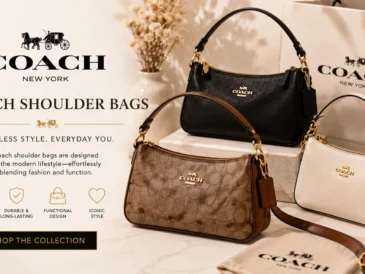
To complete a full modest, quiet-luxury-inspired look, a single understated jewelry piece from our Kendra Scott necklace collection complements the minimalist aesthetic currently trending in hijab fashion, and a structured, unbranded handbag from our Coach shoulder bag lineup rounds out a coordinated, elevated outfit.
Final Thoughts
Hijab styling has moved firmly toward simplicity, comfort, and quiet elegance clean wraps, breathable fabrics, and a calm, earth-toned color palette that favors versatility over trend-chasing. Whether you’re perfecting a classic wrap for daily wear, exploring the structured Turkish style, or building a formal look around premium chiffon or silk, understanding the current landscape of styles, fabrics, and finishing techniques makes it far easier to build a hijab wardrobe that genuinely reflects both your values and your personal style.
FAQ
What is the easiest hijab style for beginners?
The Al-Amira and instant hijab styles are generally the easiest for beginners, since both eliminate much of the wrapping and pinning process required by more traditional styles.
What hijab fabric is best for everyday wear?
Jersey and cotton blends are the most popular everyday fabrics, prized for their breathability, natural stretch, and ability to stay in place without constant readjusting.
What hijab colors are trending right now?
Earth tones like sand, olive, mocha, and taupe remain dominant, alongside a growing trend toward serene, chalky whites and creams tied to the broader quiet luxury movement in fashion.
Are safety pins still used for hijab styling?
Safety pins have become less popular recently, with many hijabis switching to no-snag magnetic fasteners, which offer a secure hold without risking damage to delicate fabrics like chiffon and silk.