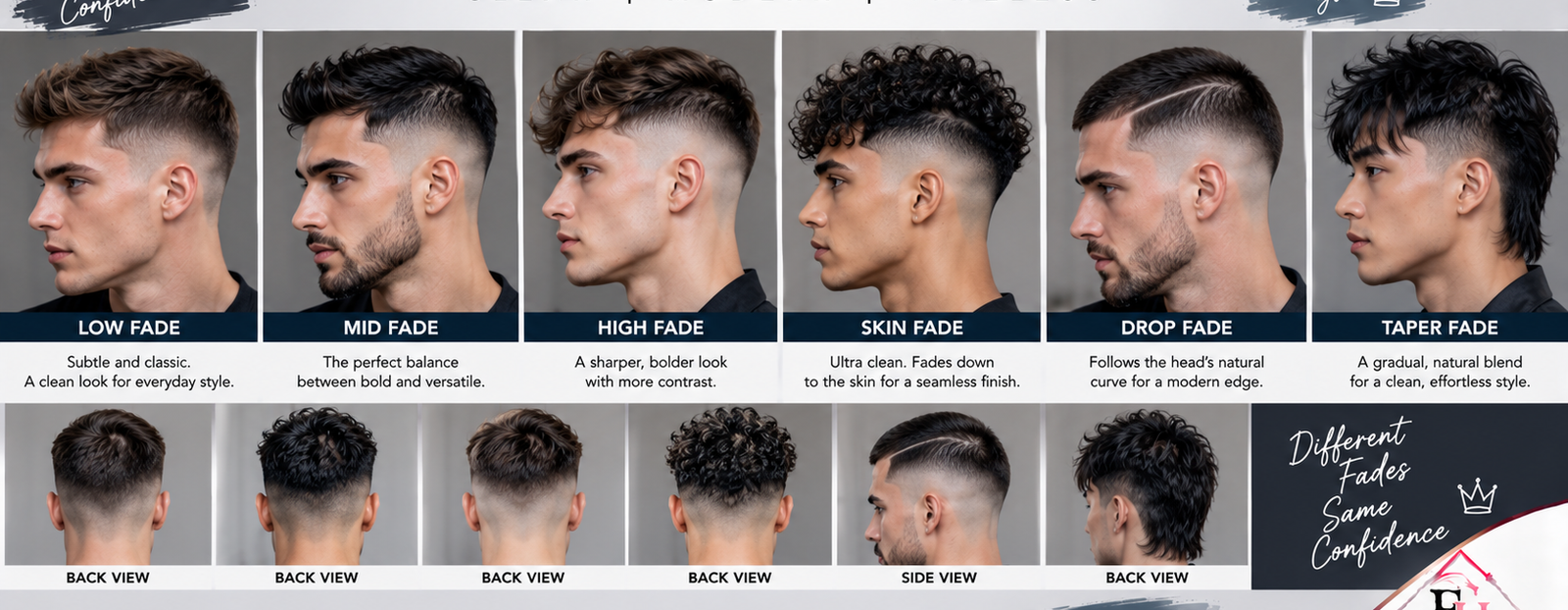
The fade remains the single most versatile foundation in men’s grooming, and right now has brought a genuine shift in how it’s being worn less about extreme, razor-sharp precision, and more about pairing the fade with natural texture and authentic, lived-in styling. Whether you’re trying to figure out the difference between a low, mid, and high fade, which style suits your face shape, or how to maintain your fade between barber visits, here’s everything currently trending.
What Is a Fade Haircut Exactly?
A fade haircut is a barbering technique where hair gradually transitions from short to very short, typically reaching the skin at the bottom near the ears and neckline, creating a smooth, gradual transition rather than an abrupt line between different hair lengths. That gradual blending is what separates a fade from a simple taper, and it’s also what makes the fade endlessly adaptable the same underlying technique pairs with dozens of different top styles, from a classic crop to a modern mullet.
The Three Core Fade Heights
Understanding fade height is the foundation of choosing the right style, since it dramatically changes both the overall look and how the cut suits different face shapes.
Low Fade
The low fade starts very close to the ear and rises only slightly, leaving the middle and top sections noticeably longer. It’s widely considered the most discreet fade option, making it especially popular among men in formal work environments who want a clean, professional appearance without dramatic contrast. Most low fade styles work well across nearly every face shape, since the subtle transition doesn’t dramatically alter facial proportions.
Mid or Taper Fade
Sitting between the low and high options, the mid fade starts at the temple, creating noticeably more contrast between the top and sides than a low fade while stopping short of the boldest high fade looks. It offers a genuine step up in sharpness without going to an extreme, making it one of the most consistently popular fade heights across current trend reporting.
High Fade
The high fade starts significantly higher on the head, creating the boldest contrast between the top and sides of any fade height. It delivers a strong, edgy, confident appearance and works particularly well when paired with volume or texture on top, since the dramatic transition point draws the eye upward toward the crown.
The Biggest Fade Haircut Trends Right Now
Skin Fades Remain Dominant
Skin fade haircuts continue to dominate men’s grooming right now, offering a sharp, clean, edgy look that’s versatile enough to suit nearly every hair type, face shape, and personal style. A skin fade specifically refers to a fade that gradually reaches the skin at its shortest point, creating maximum contrast against whatever length remains on top.
The Shift From Extreme Precision to Natural Texture
Perhaps the most significant evolution in men’s hair trends recently is a broader shift from perfection toward authenticity. Where earlier years favored extreme skin fades paired with sleek, heavily gelled tops, the current mood is seeing more men choose styles that feel genuinely natural, letting texture and movement take center stage rather than pursuing flawless, overly polished precision.
Curly and Textured Top Fades
Fade haircuts paired with curly or textured tops have become especially popular recently, keeping natural curls full and defined while the sides remain cleanly faded. This combination enhances natural texture and volume, making it a strong choice for men who want to showcase their hair’s natural pattern rather than fighting against it.
The Mullet Fade
Combining short, faded sides with longer hair left at the back, the mullet fade blends modern fading technique with a distinctly retro silhouette. It’s trending again among fashion-forward men looking for a bolder, more unique statement than a standard fade offers.
Disconnected Fades
The disconnected low fade specifically creates contrast by leaving length on top that’s visually separated from the faded sides, rather than blending smoothly. This approach works especially well for statement looks and has become a favorite among men chasing a more contemporary, editorial-leaning aesthetic.
Fade Slick Back
Combining a neatly faded side section with a smoothly combed-back top, this style delivers a classy, confident, mature appearance well suited to formal events, business settings, and special occasions.
Embracing Natural Grey
One of the more culturally significant shifts happening now is how grey hair is being handled alongside fades. Rather than being camouflaged, natural silver tones are increasingly worn proudly as part of a signature look, with a clean, well-maintained taper fade or textured crop paired with grey hair reading as genuinely sophisticated rather than something to hide.
Choosing the Right Fade for Your Face Shape
- Oval face shapes: Most fade styles work well here, since balanced proportions accommodate nearly any height or top style without issue.
- Square face shapes: Low fades paired with textured tops help soften strong jawlines rather than emphasizing them further.
- Round face shapes: Fades that add volume on top help elongate the face, balancing out fuller cheeks or a rounder overall silhouette.
- Straight hair types: Straight hair holds structure particularly well, making it a strong match for fades with sharp, defined lines.
- Wavy or curly hair types: A fade enhances natural texture and movement, making curl or wave patterns more visually defined against the clean, faded sides.
- Coarse or afro-textured hair: A well-executed fade helps define and showcase natural hair patterns, working especially well with low or mid fade heights.
Maintaining Your Fade
Fade maintenance depends significantly on which specific style you’ve chosen, but most skin fades require a touch-up every two to three weeks to keep the transition line sharp and maintain the contrast that defines the style in the first place.
Styling by Hair Length
For shorter styles, a matte paste adds texture, while a light gel delivers a sleeker, more polished finish. For longer top sections paired with a fade, volumizing mousse or a strong-hold gel provides the structure needed to keep the top styled throughout the day without collapsing.
How to Talk to Your Barber About a Fade
A few practical tips make it easier to communicate exactly what you want:
- Specify the fade height clearly low, mid, or high rather than leaving it open to interpretation, since even a small difference in starting point changes the entire look.
- Bring reference photos if possible, since terms like “disconnected” or “skin fade” can be interpreted slightly differently between barbers.
- Consider your lifestyle honestly. A formal job generally calls for a cleaner, more structured fade, while a more relaxed lifestyle offers room for a bolder, more laid-back style like a disconnected or textured fade.
- Ask about maintenance frequency upfront, since some fade styles require considerably more frequent touch-ups than others to stay looking sharp.
Building a Complete Grooming Routine
A well-executed fade works best as part of a complete grooming routine rather than a standalone cut. Pairing your fresh fade with a well-chosen everyday outfit rounds out the overall look our breakdown of men’s summer outfit essentials covers the season’s most versatile clothing pairings if you’re building a complete style refresh alongside a new haircut.
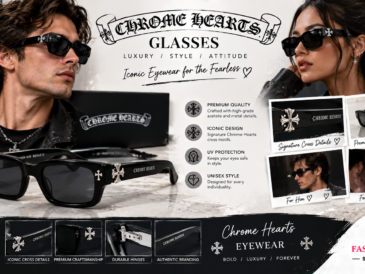
For finishing touches, a bold pair of sunglasses from our Blenders sunglasses breakdown complements a sharp fade nicely for everyday wear, and if you’re exploring the broader Korean-influenced grooming and styling movement currently shaping menswear, our breakdown of Korean fashion trends for men covers how proportion and texture-focused styling extends well beyond just clothing into hair as well.
Final Thoughts
The fade haircut remains one of the most reliably versatile styles in men’s grooming, and the biggest recent shift has been toward pairing that timeless technique with more natural, textured, and authentic styling rather than extreme precision alone. Whether you’re drawn to a discreet low fade for a professional setting, a bold high fade for maximum contrast, or a trending mullet or disconnected fade for something more distinctive, understanding fade height, face shape compatibility, and maintenance requirements will get you to the right barber conversation and the right result.
FAQ
What’s the difference between a low, mid, and high fade?
A low fade starts close to the ear with minimal contrast, a mid fade starts at the temple for moderate contrast, and a high fade starts much higher on the head for the boldest, most dramatic transition between lengths.
How often do I need to get my fade touched up?
Most skin fades require a touch-up every two to three weeks to keep the transition line sharp and maintain the contrast that defines the style.
What fade is best for curly or coarse hair?
Low to mid fades tend to work especially well with curly, wavy, or coarse hair types, since they help define and showcase natural texture and pattern against clean, faded sides.
What’s the biggest fade haircut trend right now?
A broader shift toward natural texture and authenticity over extreme precision, alongside continued popularity of skin fades, disconnected fades, and the retro-inspired mullet fade.